
Why Switching to Lithium: The Ultimate Guide to Replacing Your Golf Cart Batteries
- Niko
- 2025-09-05
The Benefits of Lithium Batteries for Golf Carts
Tired of constantly replacing your golf cart batteries? It may be time to switch to lithium, a real game‑changer for golf cart power. Lead‑acid batteries are heavy, require regular maintenance, and lose performance over time, while lithium options offer longer lifespan, faster charging, and more efficient power delivery. Lighter and more consistent, lithium batteries help your cart perform at its best from the first hole to the last, reducing hassle and extending battery life for both occasional and daily golfers.
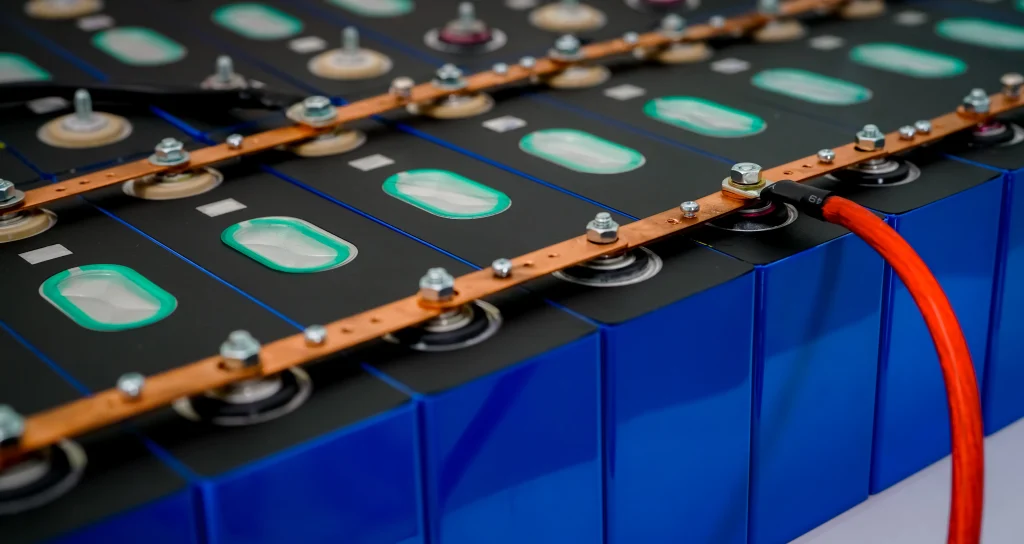
Advantages of Lithium Batteries over Lead-Acid
Switching to lithium batteries brings many advantages. One key benefit is weight reduction. Lithium batteries are lighter than lead-acid ones. This means less strain on your cart’s motor. You’ll enjoy better performance and efficiency. You can travel farther on a single charge.
Another advantage is superior lifespan. Lead-acid batteries last 2-3 years. Lithium batteries last 10 years or more. That means fewer replacements. You save time and money. Lithium batteries maintain consistent performance. They don’t decline like lead-acid batteries.
Lithium also offers faster charging. Lead-acid batteries need 8-10 hours. Lithium batteries need only 2-3 hours. Your cart is ready when you are. Lithium batteries have higher energy density. They store more energy in smaller packages.
Understanding Battery Lifespan and Performance
The lifespan and performance of a battery are critical factors to consider when choosing the right power source for your golf cart. Lithium batteries excel in both these areas, offering a longevity that far surpasses that of traditional lead-acid batteries. This extended lifespan is primarily due to the advanced technology and materials used in lithium battery construction, which are designed to withstand more charge cycles without degrading.
Performance is another key area where lithium batteries shine. They provide a consistent and stable voltage output throughout their discharge cycle, which means your golf cart will experience no loss in power as the battery depletes. This consistent performance ensures that your cart operates smoothly and efficiently, providing a more enjoyable and reliable golfing experience. In contrast, lead-acid batteries tend to exhibit a noticeable drop in performance as they discharge, which can be frustrating and limit the range of your cart.
Furthermore, lithium batteries are less affected by temperature fluctuations compared to lead-acid batteries. They perform well in a wide range of temperatures, ensuring reliable operation whether you’re golfing in the heat of summer or the chill of winter. This temperature resilience not only enhances performance but also contributes to the overall longevity and reliability of the battery, making lithium an ideal choice for golf cart applications.
Cost Analysis: Initial Investment vs. Long-Term Savings
While the initial investment in lithium batteries may be higher than that of lead-acid batteries, it’s important to consider the long-term savings and benefits that come with this investment. The upfront cost of lithium batteries can be offset by their longer lifespan, reduced maintenance requirements, and superior performance. Over time, these factors can result in significant cost savings, making lithium batteries a more economical choice in the long run.
One of the primary areas of cost savings is the reduced need for battery replacements. As mentioned earlier, lithium batteries can last up to 10 years or more, compared to the 2-3 year lifespan of lead-acid batteries. This means that over the course of a decade, you may go through multiple sets of lead-acid batteries, each requiring an investment in new batteries and the labor to replace them. In contrast, a single set of lithium batteries can provide reliable power for the same period, eliminating the need for frequent replacements and the associated costs.
Maintenance costs are another area where lithium batteries offer significant savings. Lead-acid batteries require regular maintenance, including checking and topping off water levels, cleaning terminals, and ensuring proper charging practices to avoid sulfation and extend battery life. Lithium batteries, on the other hand, are virtually maintenance-free. They do not require water, and their advanced technology minimizes the risk of issues such as sulfation, reducing the need for ongoing maintenance and the costs associated with it.
Installation Guide for Lithium Batteries in Golf Carts
Switching to lithium batteries is straightforward. You need basic tools and knowledge. First, check compatibility. Most golf carts work with lithium. But verify your cart’s specifications. Check your manual or call the manufacturer.
Once compatibility is confirmed, remove old batteries. Disconnect the negative terminal first. Then disconnect the positive terminal. Carefully remove the batteries. They are heavy. Use a battery strap if needed. Dispose properly per local rules. Lead-acid batteries contain hazardous materials.
Install new lithium batteries next. Position them in the battery compartment. Ensure they fit securely. Connect the negative terminal first. Then the positive terminal. Tighten all connections. Use proper wiring per the manual. Perform a final check. Make sure all connections are secure. Look for loose wires.
Maintenance Tips for Lithium Golf Cart Batteries
Lithium batteries require little maintenance. However, follow best practices. Use the right charger. Incompatible chargers cause problems. They can overcharge or undercharge. This affects battery life. Follow manufacturer guidelines. Check charging times per manual.
Keep lithium batteries clean. Inspect terminals regularly. Look for corrosion or buildup. Clean dirty terminals with baking soda. Mix with water. Use a soft brush. Ensure connections are tight. Keep battery compartment clean. This prevents issues.
Avoid extreme temperatures. Lithium batteries handle temperature well. But follow manufacturer guidelines. Don’t leave carts in direct sun. Store carts in cool places. Store in dry locations. Avoid extended heat exposure. Following these tips ensures reliability. Your batteries will last years.
Common Myths about Lithium Batteries Debunked
There are several common myths and misconceptions about lithium batteries that can create confusion and hesitation when considering the switch for your golf cart. One of the most prevalent myths is that lithium batteries are prone to catching fire or exploding. While it’s true that early versions of lithium-ion batteries had some safety concerns, modern lithium batteries are designed with advanced safety features that significantly reduce the risk of thermal runaway and other safety issues. Reputable manufacturers incorporate multiple layers of protection, including thermal management systems, to ensure safe and reliable operation.
Another common myth is that lithium batteries are not environmentally friendly. In reality, lithium batteries have a lower environmental impact compared to lead-acid batteries. They do not contain toxic materials such as lead and sulfuric acid, and their longer lifespan means fewer batteries need to be manufactured and disposed of over time. Additionally, many lithium batteries are recyclable, and advancements in recycling technology are making it increasingly feasible to recover valuable materials from used batteries.
Some people also believe that lithium batteries are too expensive and not worth the investment. While the initial cost of lithium batteries is higher than that of lead-acid batteries, the long-term savings and benefits make them a more economical choice. As previously discussed, the extended lifespan, reduced maintenance requirements, and superior performance of lithium batteries can result in significant cost savings over time. When considering the total cost of ownership, lithium batteries often prove to be a more cost-effective and practical solution.
Environmental Impact of Lithium vs. Lead-Acid Batteries
The environmental impact of battery technology is an important consideration, especially as we strive for more sustainable and eco-friendly solutions. Lithium batteries offer several environmental advantages over lead-acid batteries, making them a more environmentally responsible choice for your golf cart. One of the key benefits is the elimination of hazardous materials. Lead-acid batteries contain lead and sulfuric acid, both of which are toxic and pose significant environmental and health risks if not properly managed. In contrast, lithium batteries do not contain these harmful substances, reducing the risk of environmental contamination.
The longer lifespan of lithium batteries also contributes to their lower environmental impact. Because lithium batteries last significantly longer than lead-acid batteries, fewer batteries need to be produced, transported, and disposed of over time. This reduction in battery turnover helps to conserve natural resources, reduce greenhouse gas emissions associated with manufacturing and transportation, and decrease the volume of battery waste that ends up in landfills. The extended lifespan of lithium batteries thus plays a crucial role in promoting sustainability.
Recycling is another important aspect of the environmental impact of batteries. While both lead-acid and lithium batteries can be recycled, the recycling process for lithium batteries is continually improving. Advances in recycling technology are making it increasingly feasible to recover valuable materials such as lithium, cobalt, and nickel from used batteries. This not only reduces the need for new raw materials but also minimizes the environmental footprint of battery production. Supporting the development and adoption of lithium battery recycling can further enhance the environmental benefits of switching to lithium batteries for your golf cart.
Choosing the Right Lithium Battery for Your Golf Cart
Selecting the right lithium battery for your golf cart is crucial to ensure optimal performance and compatibility. There are several factors to consider when making your choice, starting with the battery’s voltage and capacity. Most golf carts operate on a 36V or 48V system, so it’s important to choose a lithium battery that matches the voltage requirements of your cart. Additionally, the capacity of the battery, measured in ampere-hours (Ah), will determine how far you can travel on a single charge. Consider your typical usage patterns and select a battery with sufficient capacity to meet your needs.
Another important factor to consider is the physical dimensions and weight of the battery. Lithium batteries are generally smaller and lighter than lead-acid batteries, but it’s still important to ensure that the battery will fit in your golf cart’s battery compartment. Check the dimensions and weight specifications provided by the manufacturer and compare them to the available space in your cart. Proper fitment is essential for safe and efficient operation.
When choosing a lithium battery, it’s also important to consider the reputation and reliability of the manufacturer. Look for reputable brands with a proven track record of producing high-quality, reliable batteries. Reading customer reviews and seeking recommendations from other golf cart owners can provide valuable insights into the performance and reliability of different battery options. Additionally, consider the warranty and support offered by the manufacturer, as this can provide peace of mind and assurance of quality.
Choosing the Right Lithium Battery for Your Golf Cart
Switching to lithium batteries for your golf cart is a smart investment that can enhance your golfing experience and provide numerous benefits. From the significant reduction in weight and superior performance to the extended lifespan and reduced maintenance requirements, lithium batteries offer a compelling alternative to traditional lead-acid batteries. The long-term cost savings and environmental advantages further underscore the value of making the switch.
By understanding the advantages of lithium batteries, the factors that influence battery lifespan and performance, and the cost analysis of initial investment versus long-term savings, you can make an informed decision that best suits your needs. Proper installation and maintenance of lithium batteries are essential to ensure safe and efficient operation, and debunking common myths can help dispel any misconceptions you may have about this advanced battery technology.
Ultimately, choosing the right lithium battery for your golf cart involves careful consideration of voltage, capacity, dimensions, and manufacturer reputation. By taking these factors into account and following the guidelines provided in this ultimate guide, you can enjoy the many benefits of lithium batteries and elevate your golfing experience to new heights. Make the switch to lithium batteries today and experience the difference for yourself!